

December 1, 2026
— The Stove Train Returns.
Tsugaru Railway Stove Train
A one‑of‑a‑kind trip to experience Japan’s winter.
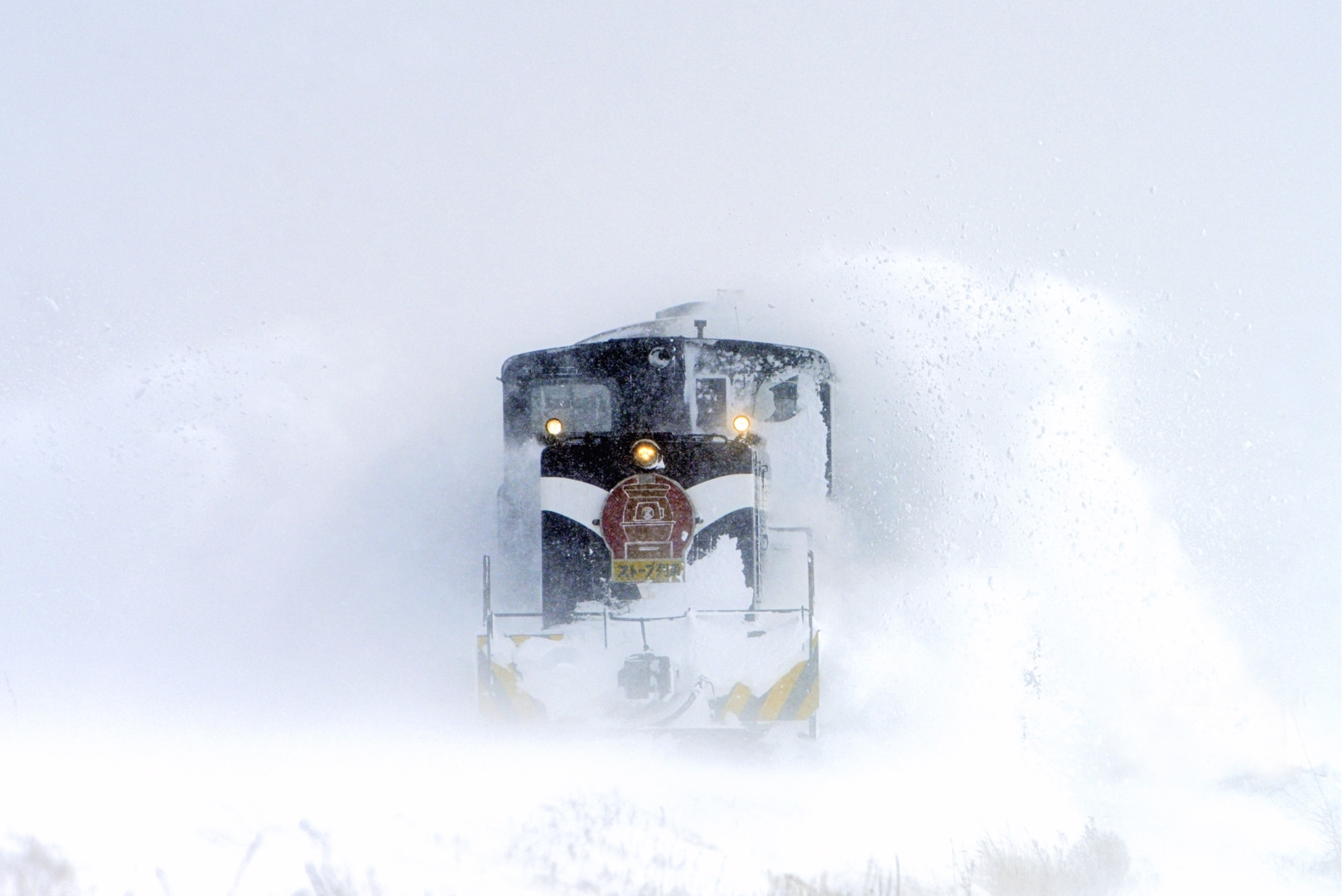
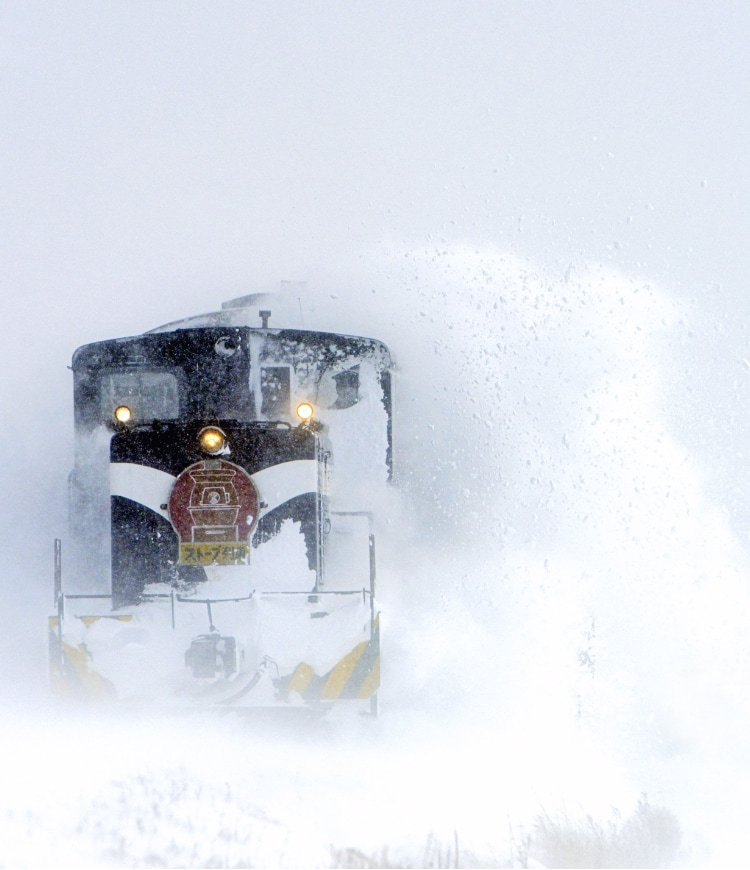
After a long suspension until March 2026, the Stove Train has finally returned.
With thorough safety measures in place, the beloved winter tradition—the Stove Train—resumes service on December 1, 2026. This winter, a special journey that lets you experience the timeless winter landscapes of Tsugaru begins once again.

Regarding the train separation incident that occurred on December 29, 2025, between Tsugaru-Iizume and Bishamon stations, it was determined that multiple factors contributed to the event, including vertical movement of the cars caused by track conditions, uneven wear of the coupler knuckle, and differences in coupler height.
Following the incident, we carried out preventive measures such as track repairs, inspection and adjustment of couplers, knuckle restoration, and a review of operating procedures, and we have confirmed the safety of our operations.
Tsugaru Railway will continue to strengthen safety measures—such as enhanced monitoring of track conditions, reinforced coupler inspections, and ongoing safety training—to ensure that passengers can travel with peace of mind.
For more details, please visit our official website:
https://tsutetsu.com/archives/5635
About the Stove Train
The Stove Train operates round‑trip between Tsugaru‑Goshogawara Station and Tsugaru‑Nakasato Station on the Tsugaru Railway line. It runs with the standard Tsugaru 21 series car (the “Hashire Melos” train) coupled to an old‑style passenger car—the Stove Train.
Because of this configuration, passengers do not need to ride the entire round‑trip. You may board only between the stations where the train stops.
Main Train Formation
Tsugaru 21 Series (“Hashire Melos”) – 2 cars
+ Old‑style Passenger Cars (Stove Train) – 2 cars
○ Tsugaru 21 Series (“Hashire Melos”)
2 cars: 59 seats × 2 = 118 seats
○ Old‑style Passenger Cars (Stove Train)
Old‑style car Oha‑fu 331
Old‑style car Oha 462
Snow Country × Retro Trains — A quintessential Japanese winter experience
The combination of a snow‑covered landscape and a retro Showa‑era passenger car offers overseas travelers an Authentic Japan Winter experience.
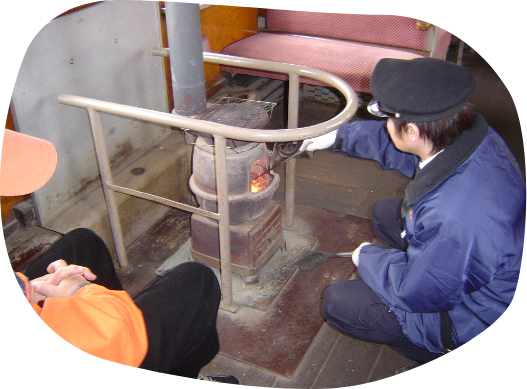

A Real Coal Stove Inside the Train — A Unique Experience Popular on Social Media
• The bright, glowing Daruma coal stove
• Dried squid grilled directly on top of the stove
• A local cultural experience enjoyed together with Japanese sake
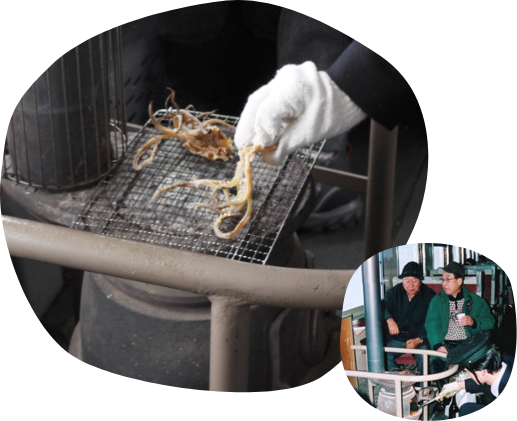

Enjoy the Local Food Culture of Tsugaru
• Grilled dried squid (surume)
• Aomori’s local Japanese sake
• Local sweets from the Tsugaru region


The Snowy Scenery of the Tsugaru Plain
Endless snowfields, the majestic Mount Iwaki, and the powerful beauty of blizzards.
A series of breathtaking winter landscapes perfect for photography.
Operating Period, Number of Services, and Timetable
● Operating Period
December 1, 2026 – March 31, 2027
(Operates daily during the season)
● Number of Services
Downbound trains (Tsugaru‑Goshogawara → Kanagi / Tsugaru‑Nakasato): 3 services
Upbound trains (Tsugaru‑Nakasato → Kanagi / Tsugaru‑Goshogawara): 3 services
● Timetable
How to Board (No Reservation Required / First‑Come, First‑Served)
(1). Purchase your ticket at the station ticket counter (cash only)
Sales locations:
- Tsugaru‑Goshogawara Station
- Kanagi Station
- Tsugaru‑Nakasato Station
(2). Required Fare
Fare = Regular train fare for your travel section + Stove Train fee (1,000 yen)
▲ Main one‑way fares for common travel sections
- Tsugaru‑Goshogawara → KanagiAdults: 560 yen / Children: 280 yen
- Kanagi → Tsugaru‑NakasatoAdults: 400 yen / Children: 200 yen
- Tsugaru‑Goshogawara → Tsugaru‑NakasatoAdults: 870 yen / Children: 440 yen
- (Example 1)
One adult: Tsugaru‑Goshogawara → Kanagi (one‑way, Stove Train)
Regular fare: 560 yen
Stove Train fee: 1,000 yen
Total: 1,560 yen - (Example 2)
One adult: Kanagi → Tsugaru‑Nakasato (one‑way, Stove Train)
Regular fare: 400 yen
Stove Train fee: 1,000 yen
Total: 1,400 yen - (Example 3)
One adult: Tsugaru‑Goshogawara → Tsugaru‑Nakasato (one‑way, Stove Train)
Regular fare: 870 yen
Stove Train fee: 1,000 yen
Total: 1,870 yen
(3). Ticket Purchase Instructions
Declare your travel section and your intention to board the Stove Train
Please inform the station staff of your travel section (e.g., Tsugaru‑Goshogawara → Tsugaru‑Nakasato) and that you wish to board the Stove Train.
Passenger categories
Adults: 12 years and older
Children: 6 to 12 years old (elementary school age)
Payment method
Payment is cash only.
Credit cards and electronic payment methods are not accepted.
(4). How to Board the Stove Train (First‑Come, First‑Served)
The Stove Train is boarded on a first‑come, first‑served basis.
After purchasing your regular ticket and Stove Train ticket at the station ticket counter, please line up at the ticket gate.
Passengers will be guided to the platform and then into the train in the order of the queue.
(5). Boarding from Unstaffed Stations
If you board at an unstaffed station, the conductor will sell both the regular ticket and the Stove Train ticket on board.
(6). When the Stove Train Is Full
If the Stove Train is full, you may not be able to board.
In that case, please use the Tsugaru 21 series train (Hashire Melos), which is coupled to the Stove Train between Tsugaru‑Goshogawara and Tsugaru‑Nakasato.
You may board the Stove Train on the return trip from Tsugaru‑Nakasato, or take the next Stove Train departure.
Experiences You Can Enjoy on the Train

Seasonal Winter Event Train
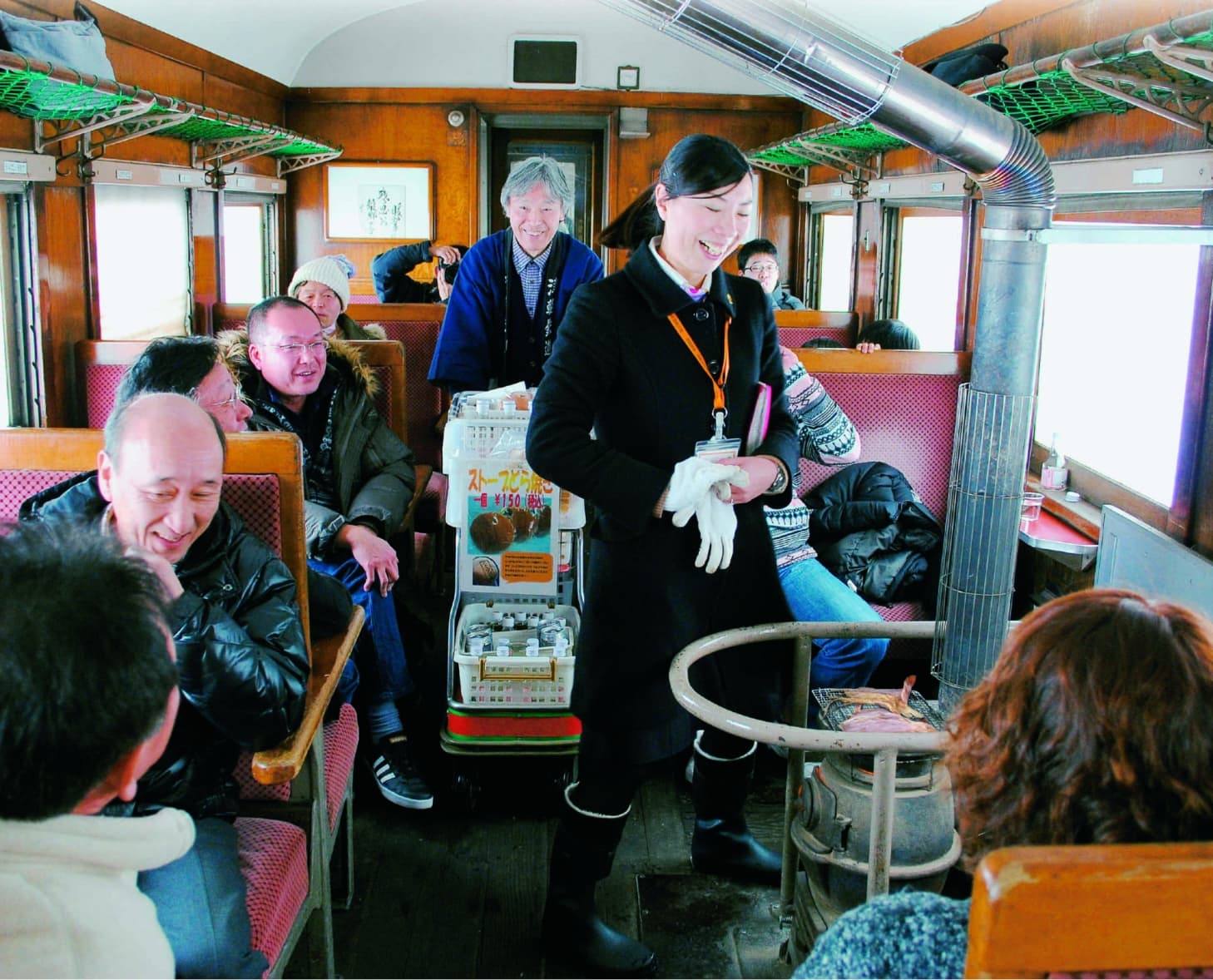
A “Daruma Stove,” symbolizing the harsh winter of Tsugaru, is installed inside the train, creating a warm, gently heated, and nostalgic atmosphere—one of the region’s iconic winter traditions.
As the train travels through snowy landscapes, passengers can enjoy sweeping views of the Tsugaru Plain covered in shimmering white.

Cultural Experience Train (Experience Tsugaru’s Traditional Winter Life)
With its Showa‑era passenger car and Daruma Stove, the train recreates the traditional winter lifestyle of Tsugaru as it was in earlier times.
It is recognized as a “lifestyle‑culture event train,” operated by Tsugaru Railway to preserve and pass down the region’s cultural heritage.

Culinary Experience Train (Specialty: Grilled Dried Squid)
The train’s signature treat is dried squid grilled on top of the coal‑fired stove.
Its savory aroma fills the carriage, offering a unique wintertime food experience that reflects the local culture of Tsugaru.
A selection of Aomori sake and local snacks is also available on board, adding to the enjoyment of your journey.

Scenic Experience Train (Winter Views of the Tsugaru Plain)
From the train windows, passengers can enjoy expansive winter scenery unique to Tsugaru—snow‑covered fields stretching into the distance and the majestic Mt. Iwaki rising on the horizon.
On days with heavy snowfall, the dramatic blizzard conditions offer a powerful and unforgettable glimpse of “winter in Tsugaru.”
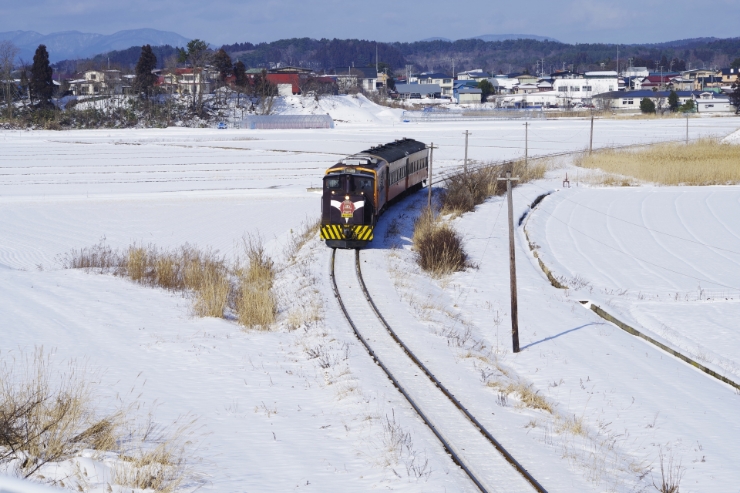
Snow Country Scenery × Retro Train
Interest in “snowy Japan” has been growing among international travelers, and the Stove Train—running through the silver‑white Tsugaru Plain—has become an iconic symbol of that winter landscape.
Its vintage Showa‑era carriage offers a rare chance to experience Japan’s traditional everyday culture, and the combination of snowy scenery and a retro train is highly regarded as a quintessential Japanese winter journey.
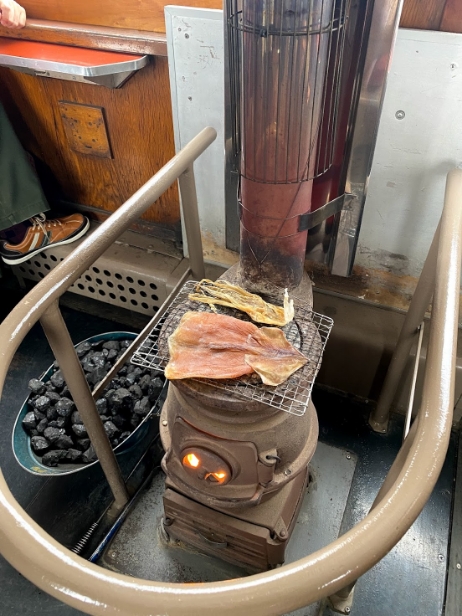
A Daruma Stove × Grilled Dried Squid
The glowing Daruma Stove and the aroma of dried squid grilled on top of it have become a sensation on international social media, with reactions such as:
“A coal‑fired stove inside a train!?”
“You can grill and eat dried squid on board—amazing!”
This unique combination—grilling squid over the stove and enjoying it with Japanese sake—offers an authentic local cultural experience found nowhere else, leaving a lasting impression on visitors to Japan.
Access Information
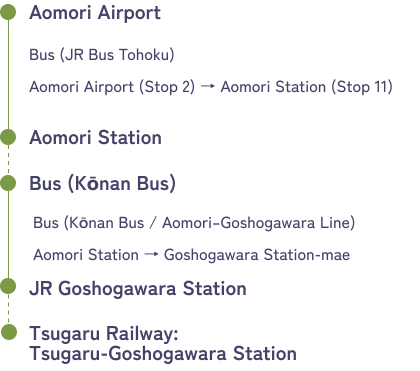
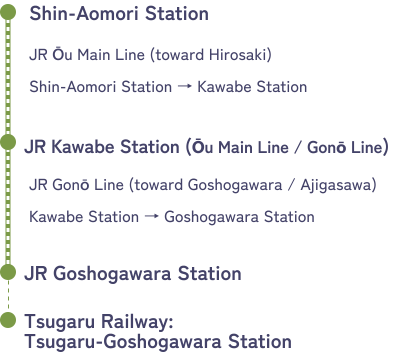
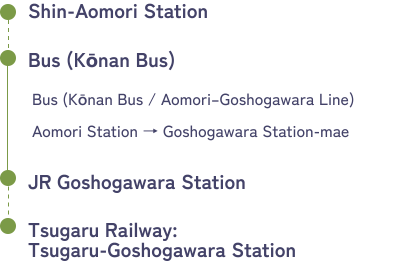
Nearest Station: JR East Goshogawara Station
Access from Aomori Airport
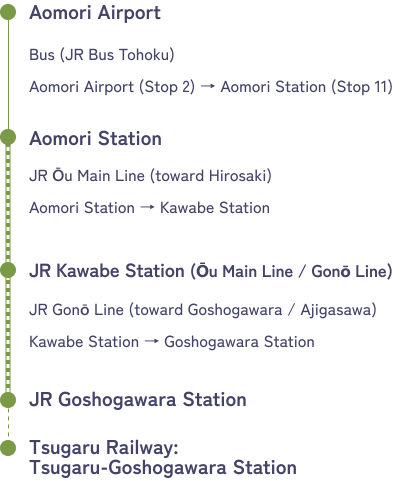
Access from Shin‑Aomori Station (Shinkansen)
■ Important Notices
- Services may be suspended due to weather conditions.
- Smoking is not permitted on board.
- There is no designated wheelchair space in the carriage.
- Please store large luggage in coin lockers or make arrangements before boarding.
- When taking photos inside the train, please be considerate of other passengers.
Stove Train Q&A (Frequently Asked Questions)
When does the Stove Train operate?
The Stove Train runs only during the winter season (typically from December 1 to March 31).
During this period, it operates three round trips per day, allowing passengers to enjoy the snowy scenery of Tsugaru and its nostalgic retro carriages.
Where can I board the Stove Train? How do I access it?
The Stove Train operates between Tsugaru‑Goshogawara Station, Kanagi Station, and Tsugaru‑Nakasato Station.
From JR Goshogawara Station on the JR Gonō Line, it takes about one minute on foot to reach Tsugaru‑Goshogawara Station, where the Stove Train departs.
Do I need a reservation?
The Stove Train does not require reservations; it operates on a first‑come, first‑served basis.
On the day of travel, you can board by purchasing both a regular train ticket and a Stove Train ticket at the station ticket counter.
However, if the train reaches its seating capacity, Stove Train tickets cannot be purchased.
In that case, you will need to either:
Ride the connected local train and board the Stove Train on its return trip from Tsugaru‑Nakasato Station, or
Wait for the next Stove Train departure.
How much does it cost?
You will need two types of tickets to ride the Stove Train:
a regular train ticket (fare) and a Stove Train ticket (special ticket).
The Stove Train ticket costs 1,000 yen.
How crowded does the Stove Train get?
The train tends to be busier on weekends and national holidays.
The most crowded round trip is typically:
Departing Tsugaru‑Goshogawara at 12:00
Departing Tsugaru‑Nakasato at 13:37
This midday round trip is especially popular and often experiences higher passenger numbers.
Can I grill dried squid on the stove inside the train?
Yes, you can.
Dried squid purchased on board—or brought with you—can be grilled on the stove by the Tsugaru Peninsula Tourism Attendants or on‑board sales staff, who will grill it over the stove and serve it to you.
This unique experience has become popular on social media, with many visitors saying,
“It’s amazing that you can grill dried squid inside the train!”
Is it hot near the stove?
Each vintage carriage of the Stove Train is equipped with two coal‑fired stoves, which heat the entire interior.
Because of this, the area around the stoves can become quite hot.
Is it cold inside the train?
Although the coal‑fired stoves keep the carriage warm, the vintage train can sometimes allow drafts of cold air to enter.
Additionally, the platforms and areas outside the train can be extremely cold, so proper winter clothing is essential.
Is it safe around the stove?
Because the area around the stove becomes very hot, please be careful not to stand too close to avoid burns.
Can I enjoy sightseeing around Kanagi Station?
Yes, you can. There are several popular attractions near Kanagi Station, and many passengers enjoy combining a visit to these spots with their Stove Train trip.
Around Tsugaru‑Goshogawara Station
- Tachineputa Museum
- Osamu Dazai “Memories” Storehouse
Around Kanagi Station
- Osamu Dazai Memorial Museum “Shayōkan”
- Osamu Dazai Evacuation House
- San‑choku Melos (Local Produce Market “Melos”)